
Estonia’s Electronic Components: Catalysts of Transatlantic Engineering Innovation
Estonia, a small Baltic nation with a population of just over 1.3 million, has emerged as a formidable player on the global stage of electronic component production. Known for its robust IT sector and forward-thinking digital policies, Estonia has been consistently pushing the boundaries of technological innovation. The country’s progress in creating electronic components for transatlantic partnerships is a testament to its strategic position in the global electronics supply chain.
The surge in Estonia’s influence is particularly noticeable in the transatlantic engineering landscape, where Estonia tech components are driving innovation and fueling growth. The nation’s knack for rapid digital transformation and agile software development has buoyed its electronics industry, making it a pivotal hub for new-age electronic solutions.
The Rise of Estonia’s Electronics Sector
Since regaining independence in 1991, Estonia has transformed its economy, embracing technology as a cornerstone of its developmental strategy. According to the World Bank, Estonia’s economic policies have bolstered a GDP growth rate that often surpasses the European Union average. A crucial component of this economic success is the country’s burgeoning electronics sector. Investment in Estonia highlights the nation’s business-friendly environment that fosters technology-driven industries.
The establishment of the Estonian Electronics Industries Association (EEIA) has furthered this sector’s advancement. EEIA’s efforts are pivotal in promoting the interests of companies involved in electronic circuit manufacturing, component design, and hardware innovation.
Key Factors Fueling Growth
- Strategic Location: Situated at the crossroads of Eastern and Western Europe, Estonia’s geographic position provides access to key markets across the continent and beyond.
- Innovative Startups: Estonia is home to a vibrant startup ecosystem, including companies like Veriff and Bolt, which leverage electronic component technology to power their digital solutions.
- Skilled Workforce: With a high literacy rate in digital skills, the Estonian labor force is adept at meeting the demands of modern electronics manufacturing.
The combination of these factors has cemented Estonia’s role as a center for electronic component production and export. The country exports components to various European countries and increasingly to the United States, highlighting its strategic partnership across the Atlantic.
Technological Advancements in Estonian Electronic Components
Innovation is at the heart of Estonia’s success in electronic components. Companies in Estonia are at the forefront of developing cutting-edge components that are integral to modern technology. Some of these advancements include:
Innovation and Production
Estonia’s commitment to innovation is evident in its focus on Research and Development (R&D). The nation invests heavily in R&D, corresponding to approximately 1.5% of its GDP as of 2022, according to the European Commission. This investment supports the creation of pioneering electronic components, including:
- Semiconductors: Estonian firms are contributing to breakthroughs in semiconductor technology, an essential facet of numerous electronic devices.
- Printed Circuit Boards (PCBs): Estonia’s specialization in efficient and flexible PCBs production sets it apart in the electronics arena.
- Optoelectronics: Development in optoelectronic components means that Estonia is contributing significantly to advancements in areas like telecommunications and defense.
Sustainable Electronics Manufacturing
An increasing emphasis on sustainability ensures that Estonia stays ahead of global environmental standards. Estonian companies are pioneering in creating eco-friendly components that reduce carbon footprints. This environmental consciousness resonates with global partners, particularly in Europe and North America, where sustainability is central to corporate governance. For more on sustainability practices in Estonia, refer to this Estonian World article.
Supply Chain Logistics and Integration
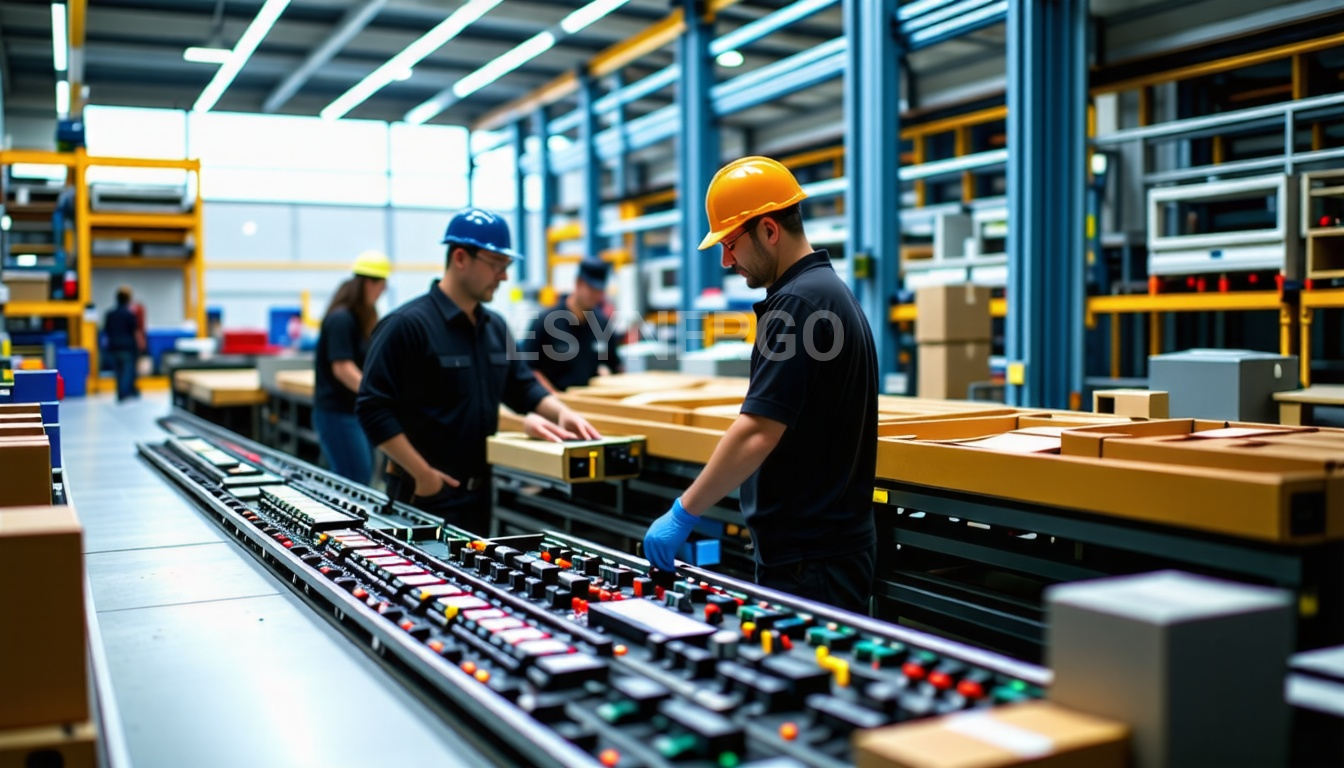
A crucial challenge in electronic component manufacturing is efficient supply chain management. Estonia has leveraged its high-tech digital infrastructure to optimize logistics operations. The use of automated systems and predictive analytics allows for rapid adjustments to production schedules to meet demand efficiently.
Challenges and Solutions in Supply Chain
While Estonia’s electronics sector thrives, it simultaneously faces typical industry challenges, such as sourcing raw materials and navigating fluctuating market demands. Solutions implemented include:
- Smart Contracts: Facilitating seamless transactions through blockchain, ensuring all supply chain partners have aligned and timely information.
- Digital Twins: Creating virtual models of supply chains to allow companies to simulate changes and predict outcomes more accurately.
e-Estonia, the nation’s informatics core, is a central enabler of these advanced logistics solutions, which are critical for maintaining Estonia’s competitive edge in electronic manufacturing.
Estonian Electronic Components: Transatlantic Innovation Drivers
Estonia’s rapid evolution in electronics doesn’t occur in isolation. The nation’s ties with the United States have grown stronger, facilitating a transatlantic sphere of innovation and development. The synergy between Estonian tech and American engineering prowess is manifesting in several key areas:
Joint Ventures and Partnerships
Estonian companies and U.S. counterparts have established joint ventures to benefit mutually from advanced electronic innovations. Notable examples include:
- Cybersecurity Technologies: Collaborative efforts to create components that enhance security in digital communications.
- Autonomous Vehicles: Joint research focusing on developing electronic parts for the nascent field of self-driving technologies.
The cross-pollination of Estonian ingenuity with American resources and market access promises a bright future for electronic innovations. The success of such partnerships underscores the vitality and potential of Estonia tech components as pivotal drivers of global tech advancements.
Startup Strategies and Investment Opportunities
Many of Estonia’s tech startups operate at the heart of electronic component innovation. Companies focus not only on technological advancements but also on strategic partnerships and effective business models to stay ahead in the competitive market. These strategies include:
- Incubators and Accelerators: Support for new ideas through initiatives such as the Garage48 innovation hub.
- Investment Attraction: The Estonian government and private sectors actively invite foreign investments, nurturing an environment ripe for breakthrough applications in electronic components.
The combination of support structures and agile business strategies secures Estonia’s status as a leader in tech entrepreneurship, contributing to its robust performance in the global electronic components market.
Conclusion
Estonia’s remarkable transformation and resilience in the electronics industry exemplify how small nations can have a profound impact on global technological advancements. The nation’s strategic focus on innovation, efficient supply chain management, and dynamic startup culture stands as a model for other countries aiming to bolster their electronics sector.
The intricate and versatile Estonia tech components are not merely products of engineering but are also catalysts for new transatlantic engineering milestones. As Estonia continues to harness its capabilities and foster international partnerships, its contributions to global electronics will undoubtedly continue to grow, paving the way for future innovations that transcend borders and spark new ways of technological thinking.