
Estonia’s Electronics Evolution: New Tech Trends Shaping Transatlantic Markets
Estonia, a small nation on the northeastern edge of Europe, is making substantial waves in the technology sector, particularly in electronics. As it evolves into a tech powerhouse, Estonia is shaping transatlantic markets with fresh innovations and unique strategies. These burgeoning Estonian tech trends are not only transforming traditional supply chains but are also capturing the attention of global investors and electronics enthusiasts alike.
The Rise of Estonia in the Global Electronics Market
Over the past few years, Estonia has emerged as a pivotal player in the global electronics arena, driven by several key factors:
- Robust Digital Infrastructure: Advanced network and communication frameworks that support high-speed data transfer and connectivity across the nation.
- Thriving Startup Ecosystem: A fertile environment for new ventures, offering financial and legislative support to cultivate groundbreaking ideas.
- Strategic Government Support: Policies facilitating the growth of digital startups and tech companies, thus encouraging innovation.
Estonia’s proactive support for these entities has spurred innovation in electronics, helping the country gain an impressive foothold in transatlantic markets. Key to Estonia’s success is its focus on electronic components and the seamless integration of these components into consumer and industrial devices. Technologies such as the Internet of Things (IoT) further expand Estonia’s contribution to the electronics sector.
Esteemed Startups: Powering the Electronics Revolution
A significant aspect of Estonia’s technological stride is its flourishing startup culture. Several startups are at the forefront of this revolution, making significant contributions to the global electronics field.
| Startup | Focus | Impact |
|---|---|---|
| Starship Technologies | Autonomous Delivery Robots | Revolutionizing logistics with AI-driven automation |
| Pipedrive | CRM Software | Integrating electronic components to enhance software infrastructure |
| Skeleton Technologies | Energy Storage | Utilizing ultracapacitors for sustainable energy solutions |
Industry Trends and Technological Advancements
The current Estonian tech trends in electronics emphasize innovations in industrial applications, focusing on:
- Sustainability and Energy Efficiency: Development of electronic devices that lower energy consumption and enhance efficiency.
- Smart Devices and IoT Connectivity: Pioneering efforts to integrate AI and machine learning into electronics.
- Advanced Manufacturing Processes: Emphasis on automation and precision in electronics production.
These innovations ensure that Estonia remains at the frontier of technology, catering to both consumer and industrial market segments.
The Role of Electronic Components in Supply Chain Optimization
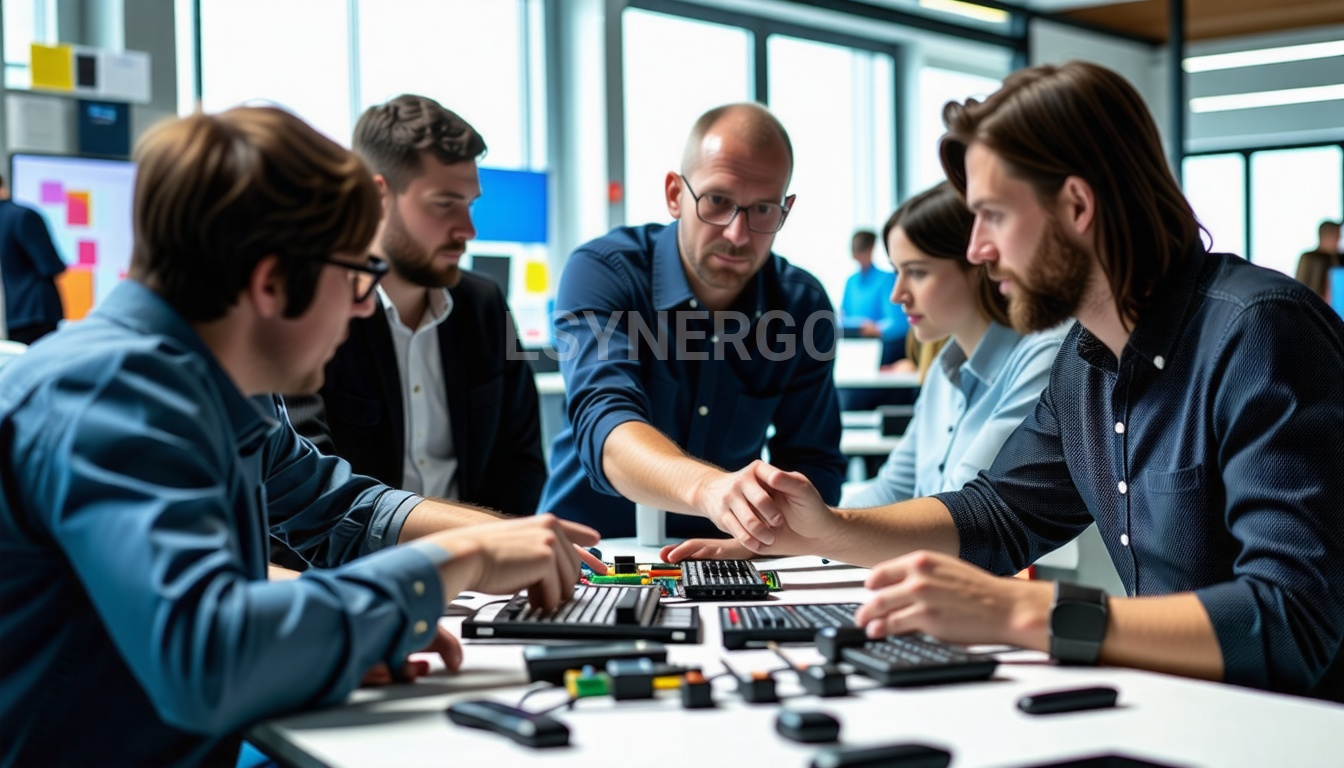
The electronics supply chain is rapidly evolving, and Estonia’s role in enhancing its efficiency is noteworthy. Key initiatives include:
– Integration of RFID Technology: Streamlining sourcing and distribution processes to improve workflow efficiencies and reduce bottlenecks. – Real-Time Data Analytics: Leveraging data-driven insights for proactive decision-making and logistical planning.Estonian tech firms are adept at addressing global supply chain challenges, such as reducing latency and minimizing supply disruptions, thereby optimizing operations.
Cross-Border Collaboration and Market Insights
Driving Estonia’s success is its strategic collaboration with international markets, particularly through:
– Partnerships with North American Tech Firms: Establishing strong transatlantic ties that transcend geographical constraints. – Market Intelligence Sharing: Gaining insights into consumer preferences and trends through collaborative ventures, allowing for tailored product development.Such alliances enable rich exchanges that equip Estonian companies to better address the diverse needs of global markets.
Challenges and Opportunities in Global Supply Chain Logistics
Despite its swift advancement, Estonia’s electronics industry encounters challenges, notably:
– Component Shortages: Scarcity of key electronic parts prompting innovative supply chain solutions. – Geopolitical Tensions: Navigating unpredictable geopolitical developments impacting international trade.These hurdles present opportunities for Estonian firms to lead in supply optimization strategies, employing agile development practices and investing in advanced forecasting tools.
Sustainability in Electronics Manufacturing
A defining aspect of Estonian tech trends is sustainability, characterized by:
– Eco-Friendly Manufacturing: Prioritizing processes that curtail environmental impact using renewable energy and sustainable materials. – Resource Optimization: Enhancing product quality by innovating processes that increase efficiency and reduce waste.These efforts resonate with global demands for sustainable electronics and position Estonia as a forerunner in responsible production.
Educational Initiatives and Workforce Development
Central to Estonia’s tech growth is its focus on education and skilled labor development:
– Targeted Educational Programs: Curriculum designed to foster expertise in electronics engineering, data science, and logistics. – Continual Skills Development: Initiatives aimed at upskilling the workforce to adapt to new technological advancements and industry needs.With a dedicated approach to nurturing talent, Estonia solidifies its competitive edge in a rapidly evolving market landscape. For more about Estonia’s educational innovation, you can explore articles on educational initiatives on our platform.
Estonia’s Electronics Evolution indeed heralds a transformative era, shaping global electronics markets and reinforcing the nation as a central hub of innovation and sustainability. As the world continues to look towards technology as a beacon of progress, Estonia stands resilient and ready to define the frontiers of electronic advancement.