Introduction
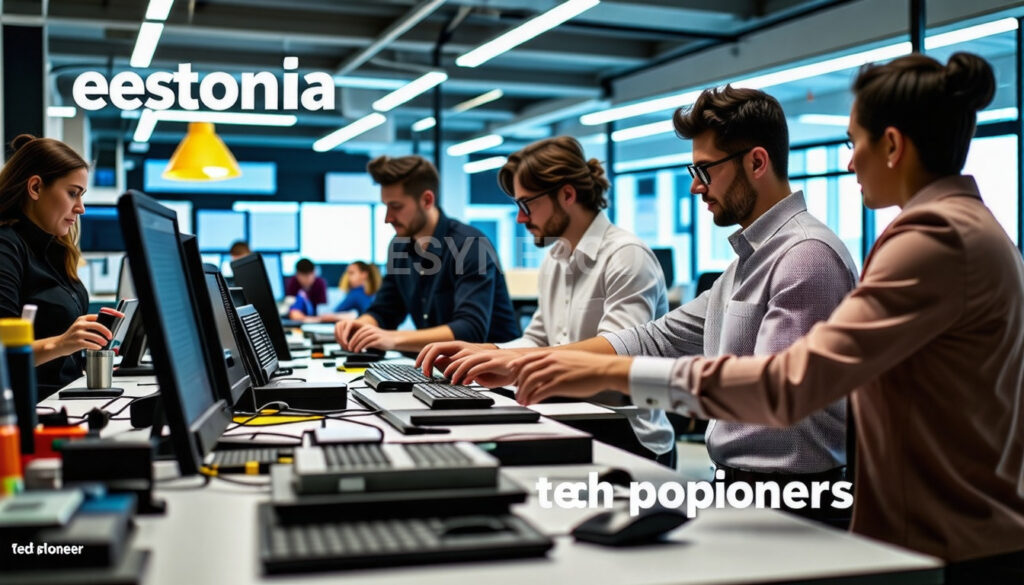
Estonia, a small but highly innovative Baltic nation, has increasingly become a beacon of technological advancement, particularly in electronic component design. In recent years, Estonia’s tech pioneers have propelled the country to global recognition through their unparalleled commitment to technological excellence.
With a remarkable digital infrastructure, Estonia is a pioneer in numerous technological domains. Leveraging historical successes in e-governance and digital entrepreneurship, the nation is now becoming a force in electronic component design. This sector’s growth is significant for Estonia’s economy, representing an evolving area of innovation that reflects broader national ambitions to lead in technology.
Overview of Estonia’s Technological Landscape
Brief History of Estonia’s Tech Evolution
Estonia’s technological prowess is deeply rooted in its history. Since regaining independence in 1991, the country has rapidly modernized and embraced digital innovation. Known globally as one of the most digitally advanced societies, Estonia’s journey began with the Tiigrihüpe project in the mid-1990s, which paved the way for robust e-governance solutions. These early initiatives laid the foundation for today’s tech-driven economy.
- Introduction of e-residency
- Pioneering digital infrastructure
- Development of a startup-friendly environment
The commitment to technological development saw the emergence of pioneering digital infrastructure and the establishment of a conducive environment for startups. Estonia now boasts one of the highest numbers of startups per capita globally, with firms focusing on various technological advancements, including electronic component design.
Significance of Electronic Component Design in Estonia’s Economy
The electronic component design industry plays a crucial role in Estonia’s economic growth. It has become an essential sector not only for job creation but also for attracting foreign investment and enhancing the country’s export profile. As global demand for electronic components continues to grow, Estonia, with its innovative startups and support systems, stands positioned to capitalize on this trend.
| Economic Contribution | Impact |
|---|---|
| Job Creation | Thousands of new tech jobs |
| Foreign Investment | Increased global investor interest |
| Export Growth | Strengthened export economy |
Moreover, the industry’s evolution directly impacts numerous adjacent sectors, including telecommunications, automotive, and consumer electronics. Estonia’s focus on developing durable and efficient components has made it a competitive player in the global technology supply chain.
Main Drivers of Innovation
Key Players in Estonia’s Tech Scene
Estonia tech pioneers have been instrumental in steering the country’s robust technological ecosystem. Companies like Ericsson, known for their telecommunications expertise, have established significant operations in Estonia, fueling local innovation and skill development. Additionally, startups such as RangeForce and Skeleton Technologies are making headlines for their cutting-edge technologies.
These enterprises embody Estonia’s reputation for agility and adaptability, traits that are vital in the fast-paced tech industry. Through collaboration and competition, these key players continually push the boundaries of what is possible in electronic component design, further solidifying Estonia’s standing as a global tech hub.
- Ericsson’s expansion
- RangeForce’s cybersecurity innovations
- Skeleton Technologies’ energy storage solutions
Government and Educational Support

Estonia’s government has been a proactive force in fostering technological innovation. Policies are specifically tailored to nurture startups, with e-residency providing a unique opportunity for digital entrepreneurs globally to establish businesses in Estonia. Institutional support also includes simplified tax regimes and extensive funding programs aimed at tech development.
Educational institutions have played a pivotal role in this innovation narrative. Universities like Tallinn University of Technology offer specialized programs in engineering and ICT, producing graduates equipped with the skills and ingenuity required by the tech industry. Such initiatives ensure a steady pipeline of talent, reinforcing Estonia’s position in the global tech arena. Learn more about Tallinn University of Technology programs in our article here.
Cutting-Edge Innovations in Electronic Component Design
Innovative Technologies and Disruptive Designs
Estonian firms are at the forefront of revolutionizing electronic component design. Case studies reveal groundbreaking innovations, such as efficient power modules and advanced sensor technologies. These innovations are crucial for enhancing the performance of electronic devices, underscoring Estonia’s technical competencies. Discover additional insights in our analysis of Estonia’s electronic design revolution.
Research and development stand as core pillars supporting these advancements. Estonian research facilities are continuously exploring novel materials and processes to create more efficient and sustainable components. This relentless pursuit of R&D excellence has driven significant improvements in design and production methodologies, anchoring Estonia’s reputation as a birthplace of pioneering technology.
Sustainable and Eco-Friendly Innovations
As sustainability becomes increasingly critical in technology design, Estonia is at the forefront of eco-friendly innovation. Companies are placing considerable emphasis on green technologies, developing components that minimize environmental impact and enhance energy efficiency. These sustainable innovations resonate well with global markets, reflecting a growing consumer preference for eco-conscious products.
The impact of these innovations is evident as Estonian products gain traction in global markets. Eco-friendly electronic components manufactured in Estonia are not only sustainable but also competitive in terms of performance and cost-efficiency, further establishing the country’s role in global electronic components markets.
Challenges and Future Prospects
Barriers to Growth and Sustainable Success
Despite its successes, Estonia faces challenges that could impede the growth of its electronic component industry. These barriers include limited access to large-scale funding compared to established tech hubs and the challenges associated with scaling up innovative technologies.
However, Estonia tech pioneers are adopting strategies to overcome these hurdles. Collaboration with international partners, participation in global consortia, and fostering a culture of continual learning are some of the approaches being employed. These strategies aim to sustain momentum and ensure long-term success in this competitive field.
The Future of Estonian Innovation in Tech
Looking ahead, Estonia is well-positioned to maintain its trajectory as a leader in tech innovation. With a robust startup ecosystem, strong government backing, and a penchant for disruptive innovation, the next decade appears promising for further advancements in electronic component design.
The potential impact of Estonian innovation on the global tech landscape is immense. By continuing to prioritize sustainability and efficiency, Estonia tech pioneers are likely to influence global trends, encouraging the integration of eco-friendly components and shaping the future of electronic design worldwide.
Conclusion
In conclusion, Estonia’s meteoric rise in the field of electronic component design underscores the nation’s broader digital strategy and commitment to innovation. Through the efforts of Estonia tech pioneers, the country continues to contribute significantly to the global technology sector. As Estonia nurtures its burgeoning tech scene, its influence is expected to grow, leading to transformative impacts on how electronic components are designed, developed, and integrated internationally.
To learn more about global tech trends and Estonia’s role within it, visit World Economic Forum’s Technology Platform, and explore our comprehensive resources on Estonia’s tech sector evolution.