Introduction
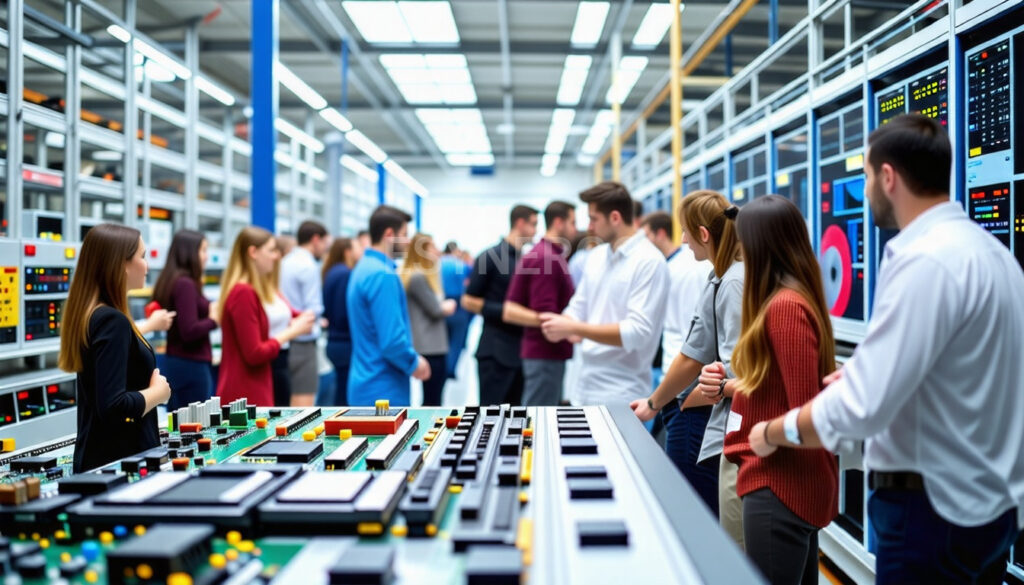
Estonia’s electronics nexus is increasingly gaining prominence in the global electronics manufacturing industry. With its strategic location, progressive technological environment, and supportive economic policies, Estonia is poised to significantly influence the next-generation electronics landscape. The country’s foresight in creating robust digital strategies and fostering a tech-friendly climate, especially following its post-Soviet Union transition, has paved the way for remarkable developments. These initiatives have turned Estonia into a key player in electronics manufacturing, contributing substantially to the sector’s evolution.
Historical Context and Development
Evolution of Estonia’s Electronics Industry
Since gaining independence from the Soviet Union, Estonia has embarked on a transformation journey, significantly reshaping its industrial landscape, including the electronics sector. Early advancements were characterized by a shift towards a market-driven economy, fostering innovation and embracing technology-led growth. By placing strong emphasis on education and research, Estonia laid the foundational groundwork for a tech-friendly economic environment that has attracted electronics manufacturing investments.
Modernization efforts have seen Estonia adopt cutting-edge technologies that have played a crucial role in driving its electronics industry. Estonia’s focus on cultivating a robust Information and Communication Technology (ICT) backbone has bolstered its reputation as a tech and electronics hub. This transformation has catalyzed the development of advanced electronic components and systems, propelling Estonia to the forefront of next-generation electronics.
Governmental Policies and Support
The Estonian government’s commitment to digital strategy has significantly spurred electronics manufacturing. Through initiatives like the e-Estonia program, the nation has fostered a hospitable environment for technological innovation and development. These policies have been instrumental in stimulating the growth of the electronics sector, attracting foreign investment, and forming strategic alliances with global tech conglomerates.
Key government incentives have been put in place to drive innovation and elevate competitiveness in electronics manufacturing. These include tax incentives, grants, and funding for research and development, encouraging firms to invest in Estonia and enhancing its appeal as a manufacturing hub. Combined with political stability and transparent governance, these initiatives have fortified Estonia’s position within the global electronic supply chain.
Estonia as an Electronics Nexus
Infrastructure and Technological Ecosystem
Estonia’s success in electronics manufacturing is largely credited to its modern infrastructure and advanced technological ecosystem. State-of-the-art facilities, reliable energy supplies, and seamless internet connectivity form the backbone of a thriving electronics industry. Moreover, Estonia’s logistics sector ensures smooth integration with global supply chains, offering efficient transport routes and support for the distribution of electronic components.
Continuing investments in digital infrastructure have played a pivotal role in enhancing local manufacturers’ capabilities. This robust framework has allowed Estonia to seamlessly integrate into global electronics markets, reinforcing its status as an emerging nexus for electronics manufacturing.
Collaboration and Innovation Hubs
Collaboration plays an integral role in Estonia’s success in electronics manufacturing. Strategic partnerships with international tech leaders have nurtured an environment of shared knowledge, innovation, and growth. Innovation hubs like Tallinn’s Tehnopol Science Park are vital in supporting both startups and established enterprises, propelling advancements in electronic technologies.
Several case studies illustrate successful innovation clusters that underscore Estonia’s strengths. Partnerships between local startups and global tech giants have resulted in pioneering technologies, particularly in IoT devices and smart applications. These collaborations highlight Estonia’s potential to be a transformative force in the electronics industry.
Key Players and Market Dynamics
Major Companies and Emerging Startups
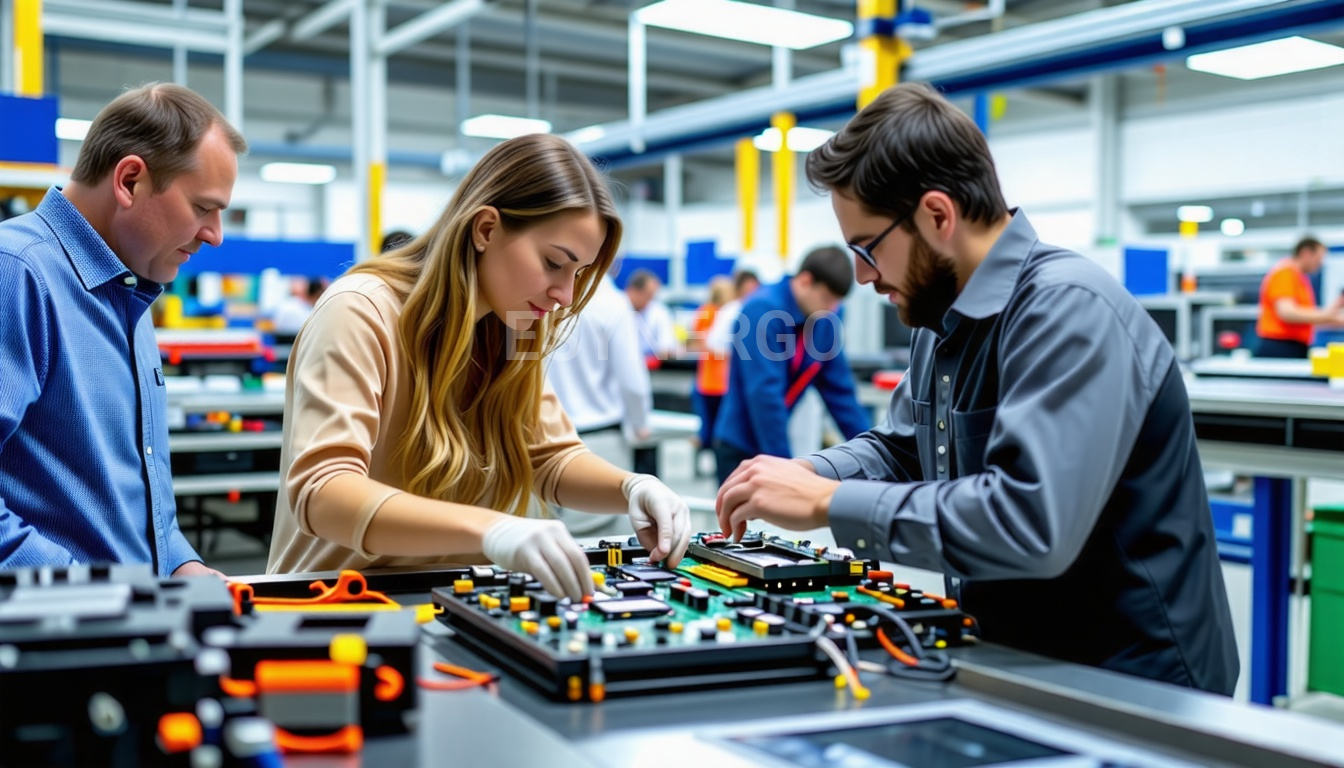
Estonia is home to an increasing number of leading companies and emerging startups in the electronics sector. Renowned corporations such as Ericsson and Intel have a strong presence in Estonia, leveraging the country’s innovative environment. Additionally, agile startups are significantly contributing to Estonia’s electronics manufacturing capabilities, driving technological advancements and capturing market share.
The contributions of these entities to Estonia’s market share in electronics are substantial. They play a pivotal role in developing new products, enhancing existing technologies, and exploring untapped market opportunities, thus solidifying Estonia’s presence in the electronics manufacturing domain.
Competitive Advantages and Challenges
Estonia’s unique selling points as an electronics nexus include its strategic location, highly skilled workforce, and a supportive business environment. The nation’s quick adaptability to technological trends and its strong commitment to innovation provide significant competitive advantages. Additionally, Estonia’s compliance with European Union standards ensures its competitiveness in global markets.
Despite these advantages, Estonia also faces challenges and competitive pressures. The necessity for constant innovation and reliance on global supply chains presents potential risks. As a developing player, Estonia must also address issues related to market access and competition from well-established electronics manufacturing powerhouses in Asia and North America.
Future Outlook and Opportunities
Trends Shaping the Next-Gen Electronics Market
The promising future of Estonia’s electronics industry is driven by emerging technologies and trends that are reshaping the market. Advances in artificial intelligence, the Internet of Things (IoT), and renewable energy technologies are expected to have a major impact on Estonia’s electronics sector. These technologies present vast opportunities for innovation and growth, positioning Estonia as a proactive participant in next-generation electronics.
Predictive analyses of Estonia’s strategic directions emphasize the importance of ongoing investment in research and development. Pursuing sustainable electronics manufacturing and focusing on eco-friendly practices could further bolster Estonia’s leadership, aligning with the global sustainability trend. For related insights on sustainability, consider reading our article on Sustainable Electronics Manufacturing Initiatives.
Global Influence and Potential Developments
Estonia’s growing influence in the global electronics sector is evident through its active participation in international collaborations and trade partnerships. As a nation that prioritizes technological prowess and innovation, Estonia is anticipated to further integrate itself into global advancements, contributing positively to the future of electronics.
Opportunities for international expansion and collaboration are abundant. By nurturing relationships with industry leaders and engaging in global innovation networks, Estonia can continue to broaden its influence, crafting a significant role in the broader electronics landscape. For more information on Estonia’s strategic position in electronics, you may explore this external authoritative site on Estonia’s digital transformation.
Conclusion
Estonia’s ascent as an electronics manufacturing powerhouse underscores its forward-thinking strategies and innovative spirit. By nurturing and promoting the Estonia electronics nexus, the country is well-positioned to play a pivotal role in the future of next-generation electronics, contributing significantly to advancements that will impact the global technological community in the years to come. Explore further developments in electronics innovation by visiting our in-depth exploration of pivotal electronics trends.