
Introduction
Estonia’s pivotal role in reinventing global supply chains in the electronics industry is a testament to its strategic positioning, innovative policies, and technological advancements. The nation has emerged as an influential player, reshaping international logistics and electronics manufacturing. Understanding Estonia’s transformation provides valuable insights into the dynamics of modern supply chain management.
The electronics sector is characterized by its complex, global networks. Driven by rapid technological advancements and rising consumer demands, countries are being compelled to innovate. Estonia, with its strategic foresight and adaptive strategies, has emerged from its post-Soviet status into a frontrunner in technological advancement, significantly impacting the global supply chain landscape. This article explores Estonia’s strategies, challenges, and future prospects in remodelling its electronics supply chain role.
Historical Background of Estonia’s Supply Chain Development
In the wake of Soviet dissolution, Estonia embarked on a transformative path to economic modernization, pivotal for its current supply chain dominion. Building a resilient infrastructure, the nation prioritized digitization, underpinned by digital governance and identity management initiatives. These initiatives provided a strong foundation for Estonia’s engagement with global electronics markets.
Estonia’s development journey is marked by pivotal milestones in digital infrastructure and e-governance. The comprehensive adaptation to digital systems facilitated seamless synchronization with global markets, making Estonia a model for technological integration in supply chains. Investments in digital innovation and infrastructure were crucial in establishing Estonia as a leader in the electronics sector.
Key Factors in Estonia’s Supply Chain Reinvention
Strategic Geographic Location and Access to Markets
Estonia’s geographical advantage in Northern Europe enhances its supply chain efficiency, positioning it as a vital link between Eastern and Western Europe. This strategic location offers direct access to a wide range of European markets, supporting effective distribution logistics for electronic components.
Government Policies and Support for the Electronics Sector
Estonia’s government has been instrumental in fostering a conducive environment for the electronics industry. Policies that prioritize innovation, ease of doing business, and reducing regulatory constraints have attracted significant international investments. The government’s proactive stance has been integral in supporting the rapid growth of Estonia’s electronics sector.
| Government Initiatives | Impact on Supply Chains |
|---|---|
| Tax Incentives for Tech Enterprises | Attracts global tech firms, bolstering investment and growth. |
| Ease of Business Regulations | Enhances competitiveness and simplifies market entry. |
Technological Advancements and Innovation Initiatives
Estonia has championed technological innovation through numerous incubators and research centers. Establishment of innovation clusters and fostering partnerships between academia and industry have contributed to breakthroughs in electronic components and technology-driven logistics, central to Estonia’s enhanced role in global supply chains.
Estonia’s Impact on Global Supply Chains
Case Studies of Successful Estonian Supply Chain Reinvention
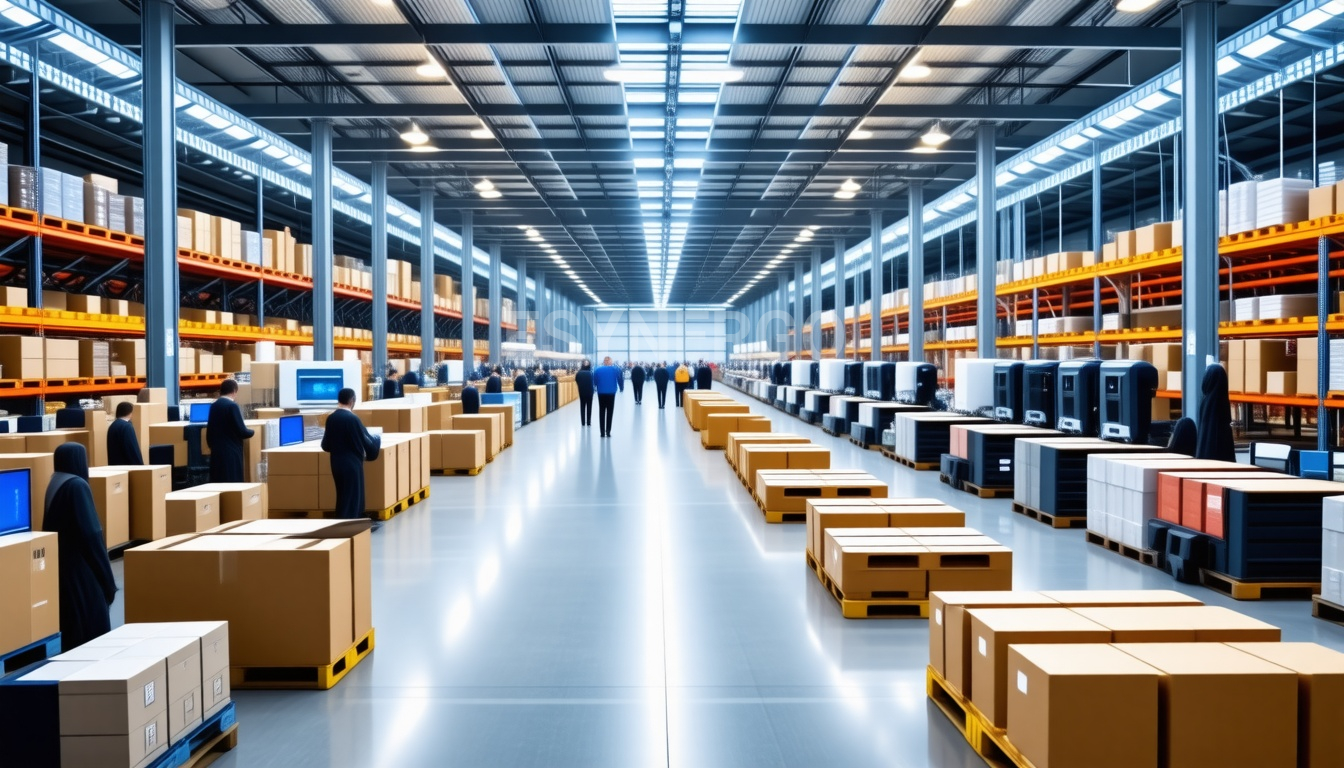
Several success stories highlight Estonia’s innovative approaches in supply chain management. Notably, collaborations with tech startups to enhance logistics in electronic manufacturing through technologies like blockchain and IoT have set benchmarks in transparency and efficiency.
Estonia’s Collaboration with Global Electronics Giants
Partnerships with leading global electronics companies underscore Estonia’s growing influence. These collaborations involve joint ventures leveraging Estonia’s technological edge, resulting in mutual benefits and reinforcing Estonia’s position in shaping global supply chains.
- Strategic joint ventures enhancing R&D and innovation
- Collaborations leading to significant efficiency improvements
Challenges and Future Prospects
Current Challenges Facing Estonia’s Supply Chains
Despite rapid advancements, Estonia faces hurdles such as skilled labor shortages, cybersecurity threats, and the need for continuous infrastructure modernization. Addressing these challenges is imperative for maintaining Estonia’s leadership position in the electronics supply chain sector.
Future Opportunities and the Role of Digitalization
Digitalization offers expansive opportunities for Estonia to enhance supply chain efficacy. By integrating AI, machine learning, and data analytics, Estonia can further optimize supply chain management, paving the path for sustained innovation in the electronics domain.
Conclusion
Estonia’s strategic approach to revolutionizing global electronics supply chains illustrates its visionary leadership and commitment to innovation. Through aligning national policies with technological progress, Estonia has established itself as an influential hub in the international electronics landscape. As the industry continues to evolve, Estonia’s role is poised to expand, providing insights and models for other nations.
For additional information on how innovation is redefining industries, explore related articles on our website such as “Innovation in Digital Infrastructure” or visit “E-Estonia” for further insights.