
Introduction
Estonia’s green electronics movement has become a noteworthy topic in the global dialogue about sustainable technology. Driven by the need to combat climate change and reduce environmental impacts, sustainable technology refers to the development and use of electronic devices and systems that minimize carbon footprints and use resources efficiently. This movement is part of a broader global shift towards sustainability that acknowledges the importance of environmentally friendly innovations in technology.
Estonia stands at the forefront of this shift, pioneering green electronics initiatives that have made significant contributions to the field. Known for its digital innovation prowess and commitment to sustainability, Estonia’s efforts in green electronics not only highlight its national capacity for innovation but also serve as a blueprint for global practices. These efforts are making ripples internationally as countries seek to emulate Estonia’s model of integrating environmental consciousness with technological advancement.
Estonia’s Pioneering Steps in Green Electronics
Historical Context and Development
Estonia’s journey in the electronics industry paints a picture of rapid evolution and adaptation. Traditionally known for its tech-savvy population and a robust IT infrastructure, Estonia’s electronics sector has grown significantly since its inception. The country’s shift towards green electronics has been driven by several key milestones, including the integration of eco-friendly practices and an early adoption of energy-efficient technologies.
Over the years, the demand for more sustainable electronics prompted innovation within Estonia, with a significant push post-2000s. This transformative phase saw the industry embracing environmentally conscious approaches, catalyzed by increased awareness and government-backed initiatives aimed at reducing waste and promoting recycling processes within electronics manufacturing. A retrospective look at Estonia’s progress can be explored in articles such as Estonia’s digital transformation journey.
Government Policies and Initiatives
The Estonian government has been instrumental in incentivizing sustainable practices through a series of policies and initiatives. These measures include financial incentives for companies adopting green technologies, implementing strict e-waste management regulations, and fostering research into sustainable electronics. Such supportive legislation has been pivotal in creating an environment conducive to innovation and sustainable practices.
Key legislation fostering the growth of sustainable technology in Estonia includes the Green Growth Action Plan and various European Union directives on reducing electronic waste. These frameworks ensure that companies are held accountable for their environmental impact, pushing for a more sustainable future in electronics manufacturing.
Key Innovations and Technologies
Eco-Friendly Manufacturing Processes
Eco-friendly manufacturing processes are a cornerstone of the Estonia green electronics movement. Estonian manufacturers have pioneered sustainable production techniques, such as the use of biodegradable materials and the integration of circular economy principles into business models. This includes reducing energy consumption during manufacturing and promoting modular design to extend product lifecycles.
- Use of biodegradable and recyclable materials
- Integration of energy-efficient production technologies
- Promotion of modular design for easier upgrades and repairs
Case studies of prominent Estonian companies reveal successful adoption of these green manufacturing processes. Companies like Skeleton Technologies and Ericsson Eesti have been at the forefront, employing technologies that significantly cut emissions and reduce waste. By combining innovative product design with sustainable practices, these companies not only enhance their market standings but also contribute to the global effort to curb environmental impacts. To glean insights into how tech companies continue to innovate, you can explore our feature on reinventing manufacturing for sustainability.
Smart Devices and Energy Efficiency
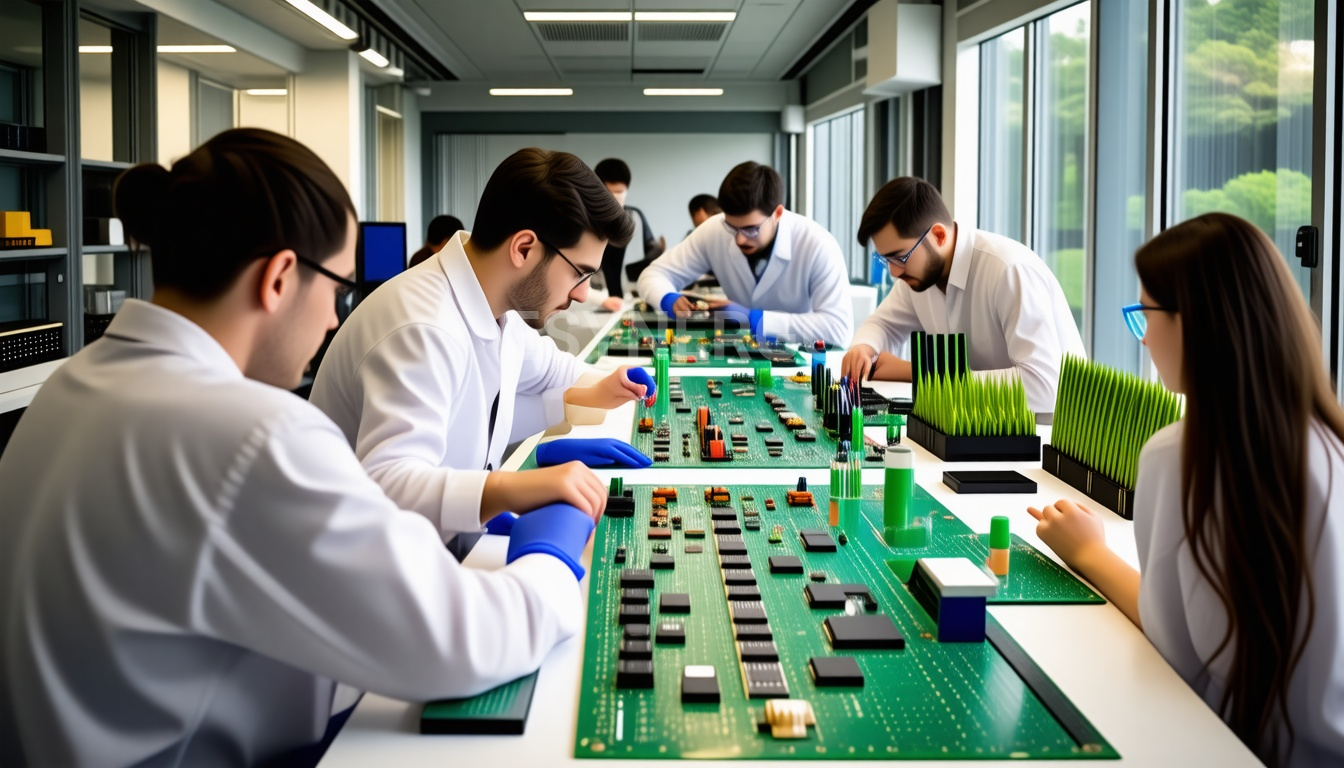
Smart technology has been integral to advancements in energy efficiency, contributing to sustainable practices within the electronics sector. In Estonia, the development of smart devices that maximize energy efficiency while delivering high performance is a testament to this innovation trajectory.
- Smart meters providing real-time energy consumption data
- Advanced sensors optimizing air and water usage
- Energy-efficient home automation systems
Estonia’s electronics industry features several examples of energy-efficient electronics, such as smart meters and energy-saving sensors, which have revolutionized resource management. These devices not only lower energy consumption but also empower consumers by providing data that enables them to make more informed decisions about their energy use. This concept aligns with broader international trends in sustainable business practices, reaffirming the relevance of Estonia’s innovations.
Challenges and Opportunities in Estonia’s Green Electronics Sector
Current Challenges
The development and adoption of green electronics in Estonia face several challenges. Economic factors, such as the initially higher costs associated with sustainable practices, can deter widespread adoption. Technologically, the transition to new manufacturing processes and materials requires significant investment and innovation, which can be a hurdle for smaller companies.
There are also consumer-related challenges, as the market for green electronics is still maturing. Convincing consumers to shift their purchasing decisions towards sustainable options requires awareness and education efforts that highlight long-term benefits over immediate cost savings.
| Challenge | Description |
|---|---|
| Economic Costs | Higher initial investments in green technologies. |
| Technological Transition | Adapting to new manufacturing materials and processes. |
| Consumer Awareness | Need for increased consumer education on environmental benefits. |
Future Opportunities
Despite challenges, the future of Estonia’s green electronics sector is ripe with opportunities for growth and innovation. The country’s strong digital infrastructure and commitment to sustainability position it well to lead in developing cutting-edge technology that further minimizes environmental impact.
Emerging trends in the industry include the exploration of alternative materials, such as bioplastics and renewable energy integrations, which open up new avenues for sustainable electronics. As global demand for responsible technology solutions grows, Estonia’s innovations in the green electronics sector are likely to influence broader market dynamics positively.
- Integration of renewable energy sources
- Development of sustainable consumer electronics
- Advancements in recycling and waste management techniques
Conclusion and Future Outlook
Estonia’s leadership in sustainable tech innovations, particularly within the field of green electronics, underscores the country’s significant role in global environmental and technological advancements. By successfully integrating green practices into its electronics manufacturing and advocating for sustainable consumer habits, Estonia sets a precedent for others to follow.
The path forward for Estonia’s green electronics sector suggests continued evolution with a focus on breakthrough innovations and solutions that promise to further enhance the sustainability of electronic products and processes. The global implications of Estonia’s work serve as a catalyst for change, inspiring advancements in other regions and contributing to worldwide efforts to combat environmental issues and promote sustainable industrial practices.
For further reading on sustainable development and electronic innovations, readers can explore the Institute of Electrical and Electronics Engineers (IEEE), a leading organization dedicated to advancing technology for the benefit of humanity. To gather further context about global tech trends driving such sustainable advancements, please refer to our insightful piece on the global green tech trends.