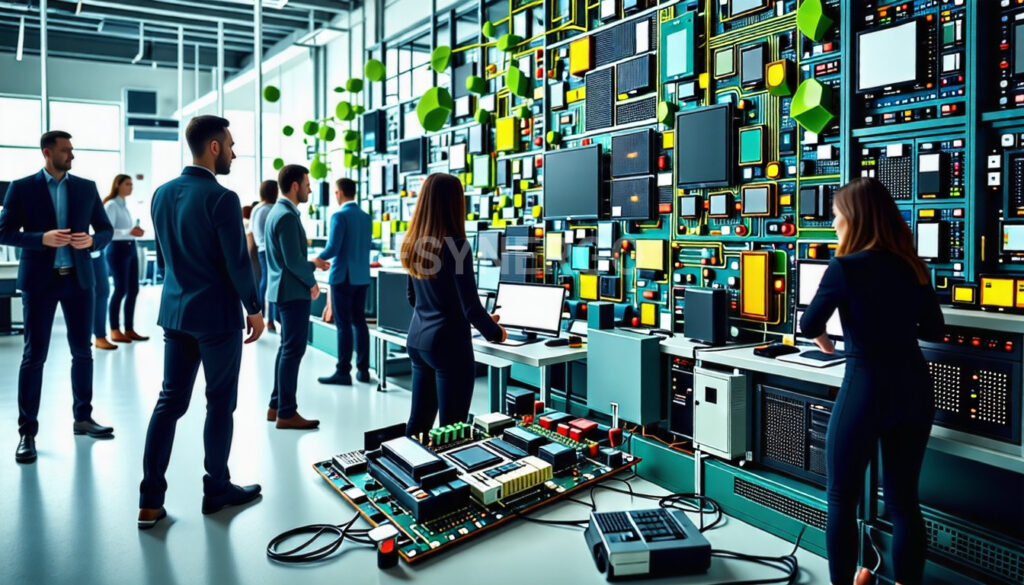
Introduction to Estonian Ingenuity
Estonia’s green technology sector is increasingly capturing the attention of the international community, establishing itself as a powerhouse in driving sustainable growth in electronic components. Known for its technological innovation, Estonia has adeptly merged its historical context with cutting-edge developments, creating a robust tech landscape. The country’s commitment to sustainability in technology underscores the significant strides it has made toward merging advancement with environmental consciousness. By leading advancements in electronic components through sustainable practices, Estonia reflects a model of growth that aligns with global environmental goals.
Understanding the Estonian Tech Landscape
Historical Context and Transformation
Historically, Estonia has been at the forefront of technological transformation, leveraging its post-Soviet era constraints into opportunities for innovation. With a population of just 1.3 million, Estonia has punched above its weight, rapidly transitioning from digital opportunities to the realization of a highly integrated digital society. This drive can be traced back to initiatives such as the Tiigrihüpe (Tiger Leap) program in the 1990s, which laid the groundwork for Estonia’s electronic infrastructure.
Current Trends and Innovations
Today, Estonia showcases a rich tapestry of advancements in energy-efficient design and smart manufacturing within the electronic components sector. Key trends include the adoption of digital identity for secure transactions and advancements in electronic voting. The smart manufacturing techniques employed by Estonian companies integrate Internet of Things (IoT) devices, harnessing the power of data to optimize production processes, and contributing significantly to the sustainability of their products.
Defining Sustainability in Technology
The Technological-Environmental Nexus
Sustainability in technology involves more than just minimizing environmental impact; it signals a fusion between technological progress and ecological stewardship. The intersection of technology and the environment becomes evident as technological systems are designed to be both innovative and sustainable. In Estonia, sustainable growth in electronic components is underscored by initiatives that prioritize reduced energy consumption, recyclability, and the longevity of electronic products through techniques such as modular design.
Sustainable Practices and Innovations
- Energy Efficiency: Development of components that prioritize energy conservation while maintaining performance.
- Recyclability: Use of materials that are easier to recycle or are biodegradable.
- Longevity: Design technology that can be easily upgraded, reducing the need for replacement.
Estonia’s Leadership in Green Technology
| Initiative | Description | Impact |
|---|---|---|
| e-Residency Program | A program allowing non-Estonians access to Estonian services such as banking and taxation. | Promoted the digitization of public services globally. |
| Public Service Digitization | Comprehensive digitization of government operations. | Increased efficiency and transparency in government processes. |
Pioneering Green Technology Initiatives

Estonia has cultivated a nurturing environment for sustainable technology through economic policies and government endorsements. The recent national strategy, Digital Agenda for Estonia, offers insights into how the government promotes green technology innovations through tax incentives and research funding grants. These intitiatives are tailored to cater to both large corporations and emerging startups.
Key Players and Stakeholders
The Estonian technology sector is propelled by leading companies and startups that showcase the nation’s innovative spirit. Organizations such as Skeleton Technologies and Starship Technologies exemplify Estonia’s emphasis on sustainable innovation. Both companies leverage state-of-the-art technologies to deliver eco-friendly solutions to global markets, contributing significantly to the broader green technology sector on an international scale.
Technological Innovations and Advancements
Breakthroughs in Electronic Component Design
Energy-efficient hardware developments are critical as global demand for cutting-edge technology grows. Estonia pushes the envelope with components that prioritize energy conservation without sacrificing performance. Smart manufacturing techniques further enhance these developments, with technology that minimizes waste and optimizes resource use being a staple of Estonian innovation.
Research and Development in Estonia
Estonia’s academic institutions contribute significantly to advancements in electronic components, often acting as incubators for groundbreaking research and development. Collaboration between academia and industry allows for a continuous exchange of ideas, ensuring the alignment of theoretical research with practical application, ultimately advancing Estonia’s stature on the global technological stage.
Impact on the Global Market
Contributions to Global Green Technology Trends
The export of sustainable technologies from Estonia not only benefits the national economy but also reinforces its position as a global leader in green technology. Estonian innovations are sought after worldwide, demonstrating the efficacy and attractiveness of eco-friendly solutions. Recognition through international accolades further underscores Estonia’s impact on global sustainability trends.
Challenges and Opportunities
Though Estonia has achieved considerable success in green technology, it faces challenges, like many nascent industries. These include overcoming barriers to wider adoption and integrating new technologies into established systems. However, these challenges present opportunities for further innovation and expansion, with prospects brightening for Estonia’s sustained leadership in this sector.
Conclusion
Estonia’s role in sustainable technology growth is a testament to the nation’s ingenuity and commitment to environmental stewardship. By focusing on sustainable practices within electronic components, Estonia underscores the future trajectory of technological development worldwide, signaling a path for other countries to follow in promoting environmental sustainability through innovation.