
Estonia’s Blueprint for Global Electronics: A New Era in Sustainable Tech
The Estonia tech paradigm has become a prominent model for innovation, especially in the realm of sustainable electronics. As a burgeoning leader in the tech industry, Estonia has carved a path that others in the electronics sector look to emulate. Its commitment to blending technological progress with environmental consciousness positions Estonia as a vital player in the global electronics market—a noteworthy feat for a nation of its size.
Introduction
Overview of Estonia’s Rise in the Tech Industry
Estonia’s journey in the tech landscape is a narrative of rapid transformation and visionary leadership. Known for pioneering digital initiatives such as e-Residency, Estonia has consistently pushed the boundaries of what is possible within the tech industry. The nation’s strategic focus on innovation has spurred remarkable growth, earning it a reputation as a key player in the global electronics market. This rise is not just significant for Estonia but also sets a precedent for electronic component suppliers worldwide.
Today, Estonia stands out not just for its technological innovation but also for its sustainability efforts. The country is at the forefront of developing eco-friendly electronics, emphasizing the integration of energy storage systems with electronic solutions. This alignment between technology and sustainability is what sets the Estonia tech paradigm apart, making it a blueprint for others to follow.
Purpose and Scope of the Article
Furthermore,
The Estonia Tech Paradigm: A Model for Innovation
Key Components of Estonia’s Tech Framework
Estonia’s approach to technology development is built on a solid foundation of government policies and support structures. The government actively promotes research and development, offering incentives for companies involved in producing eco-friendly and energy-efficient electronic components. Moreover, this commitment to tech innovation is reflected in Estonia’s regulations, which facilitate the creation of sustainable electronics with green technology initiatives.
Another significant aspect of Estonia’s tech framework is the collaboration between academia and industry. Estonian universities are renowned for their research in sustainable tech, often partnering with private companies to bring innovative solutions to market. These partnerships are pivotal for businesses seeking to optimize their supply chain, as they provide access to cutting-edge research and technology that meet evolving global standards.
Case Studies: Successful Estonian Companies
Several Estonian companies have emerged as leaders in sustainable electronics, setting benchmarks for international standards. These firms exemplify the successful implementation of the Estonia tech paradigm in real-world applications.
- Skeleton Technologies: Known for its advancements in energy storage systems, Skeleton Technologies integrates high-quality electronics with industrial solutions to enhance energy management and efficiency.
- Celfocus: A pioneer in eco-friendly electronics, Celfocus emphasizes integrating technology with minimal environmental impact. Innovations from this company have led to significant energy savings and efficient waste management practices.
These companies illustrate how Estonian innovation can lead global standards, proving that sustainable electronics are not just a vision but a tangible reality. They serve as role models for other nations and industries looking to follow a similar path.
Sustainable Technology and Environmental Impact
Estonia’s Commitment to Environmental Sustainability
Estonia has long been committed to environmental sustainability, with green technology initiatives playing a central role in this mission. The nation has established rigorous regulations and standards for eco-friendly electronics, setting the stage for the development of sustainable tech solutions. These initiatives align closely with global electronic components’ market trends, emphasizing the need for reliable and energy-efficient systems.
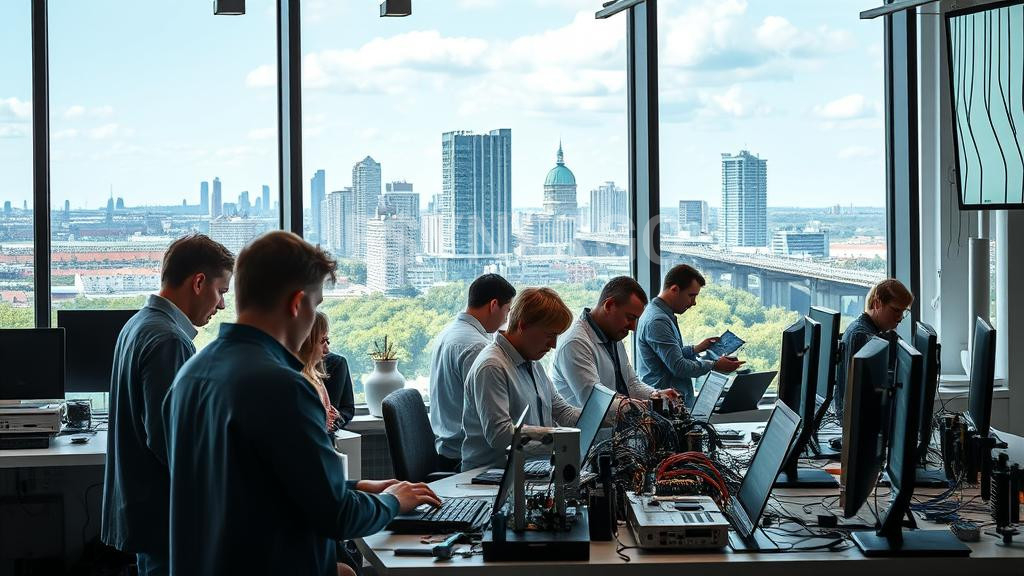
The country’s efforts extend beyond just hardware. Estonia is continually refining processes to ensure that electronic components are sourced responsibly and recycled effectively. This democratic approach has led to the formulation of regulations aimed at reducing waste and ensuring resource-efficient production methods.
Challenges and Solutions in Sustainable Electronics
Despite significant progress, Estonia faces challenges in sustainable electronics, primarily due to resource limitations. However, these challenges are met with innovative solutions that leverage Estonia’s tech-based economy and academic collaborations. Overcoming these resource constraints requires smart energy management practices that prioritize recycling technologies and effective waste management strategies.
Waste management, an essential aspect of sustainability, is tackled in Estonia through state-of-the-art recycling techniques. These technologies are designed to enhance the lifecycle of electronic components, ensuring minimal environmental impact. Such practices are critical for procurement managers and industrial clients focused on sustainable supply chain optimization.
Global Influence and Future Prospects
Estonia’s Role in Shaping Global Policies
Estonia’s participation in international tech forums and influence on global electronics standards cannot be overstated. The nation actively contributes to shaping policies that promote sustainability and innovation in the tech industry. By setting stringent environmental standards, Estonia encourages other countries to adopt similar practices, thus elevating the global electronics market.
Through initiatives such as participation in the European Union’s Green Deal, Estonia showcases its leadership in crafting policies that enhance global sustainability. These efforts reflect a commitment to advancing technologies that align with global environmental objectives, fostering an environment conducive to eco-friendly innovations.
Looking Ahead: The Future of Estonia’s Tech Industry
The future of Estonia’s tech industry is bright, with predictions pointing towards continued technological growth and innovation. As the Estonia tech paradigm matures, the nation is poised for shifts that may redefine its role in the global electronics market. The focus on reliable electronic components and energy storage systems ensures Estonia remains at the cutting edge of smart energy management and sustainable technology development.
Estonia’s commitment to sustainability, coupled with its tech-driven initiatives, anticipates a paradigm shift that could reshape the industry. The nation’s dedication to fostering a tech ecosystem that emphasizes environmental stewardship positions Estonia as a leader in the next wave of global tech innovation.
Conclusion
Summary of Key Points
Estonia’s sustainable tech initiatives have created a significant impact worldwide, with the Estonia tech paradigm standing as a model for integrating sustainability with technological advancement. The country’s policies, collaborative efforts, and innovative companies set a high standard for others to follow, defining a future where electronic components play a crucial role in environmental sustainability.
From its green technology initiatives to shaping global policies, Estonia is a beacon of progress, demonstrating how sustainable electronics can be achieved through strategic planning and innovation.
Final Thoughts on Estonia’s Role in Sustainable Technology
Estonia’s long-term potential for environmental impact is undeniable. The nation’s strategic blend of technology with sustainability offers inspiring models for countries and industries worldwide. By committing to eco-friendly electronics, Estonia paves the way for a future where technology fosters environmental preservation, proving to be a trusted partner for businesses seeking sustainable electronic component solutions.
For more insights on sustainable technological advancements and sourcing high-quality electronic components, explore our comprehensive guides on B2B procurement strategies and smart energy management.