
Introduction
Estonia’s electronic influence has been a pivotal force in shaping both the European and American electronics landscape. Known as a digital trailblazer, Estonia’s technological evolution offers rich insights into the dynamics of global electronics markets. As a pioneer in digital society reforms, Estonia presents an intriguing case study for understanding innovation in electronic components and the startup ecosystem across borders.
Overview of Estonia’s Technological Landscape
Estonia’s journey in tech began in the early 1990s, following its independence from the Soviet Union. The nation quickly embraced an agenda for digitization, implementing transformative technologies that would underpin its thriving digital society today. With a small population yielding robust technological advancements, Estonia has consistently leveraged its resources to innovate, particularly within the electronic components sector. As a digital society pioneer, Estonia’s commitment to staying at the forefront of technological innovation continues to resonate globally.
Purpose and Scope of the Article
This article aims to explore the multifaceted roles that Estonia plays on the global electronics stage. Through examining key innovations, policies, and partnerships, we delve into how Estonia’s electronic influence has transcended geographical boundaries, shaping the ethos of both European and American markets.
Section 1: Estonia’s Role in European Electronics
Estonia’s Electronic Influence: Key Innovations and Contributions
Estonia’s tech scene is fueled by numerous startups that have greatly impacted the European electronics sector. Companies like Guardtime and Skeleton Technologies exemplify Estonian innovation, pioneering advancements in blockchain security and energy storage, respectively. Guardtime has developed groundbreaking blockchain applications, while Skeleton Technologies leads in ultracapacitor energy solutions.
The Estonian government has fostered these developments through favorable digital policies and initiatives. By supporting technology-driven industries and facilitating a conducive environment, Estonia has created a flourishing ecosystem for electronics innovation. An excellent example is the e-Residency program, which provides entrepreneurs worldwide digital access to Estonia’s business ecosystem. This initiative not only broadens Estonia’s reach but also strengthens its electronic influence internationally.
Government and Policy Influence
Estonia’s digital policies have been instrumental in advancing its electronics industry. Government initiatives, such as the e-Estonia program, laid the groundwork for a modern digital infrastructure, enhancing service efficiencies and security Estonia’s digital transformation. These policies champion openness and transparency, nurturing an entrepreneurial environment that is conducive to electronics development.
Moreover, Estonia’s e-government initiatives contribute significantly to fostering innovation. By digitizing services and promoting open data access, the government facilitates collaboration among tech innovators, forming fertile ground for partnerships between public and private sectors. These initiatives have helped Estonia to maintain a competitive edge, contributing tremendously to electronic components’ development.
Section 2: Estonia’s Impact on American Electronics
Transatlantic Collaborations and Ventures
The influence of Estonia extends across the Atlantic through strategic partnerships and collaborations with American firms. Estonian companies like Playtech and Bolt have made significant inroads into the United States, leveraging American markets to bolster their global presence. These strategic alliances and transatlantic ventures have been instrumental in advancing shared technological goals.
Successful partnerships, such as Skype’s development in Estonia and subsequent acquisition by Microsoft, highlight the efficacy of Estonian-American collaborations. These collaborations provide case studies showcasing the value of Estonia’s technological acumen and their role in enriching the American electronics sector, further explored on our article about Tech Giants Collaborations. Such collaborations allow for the cross-pollination of ideas, spurring innovation and growth across continents.
Talent Exchange and Knowledge Transfer
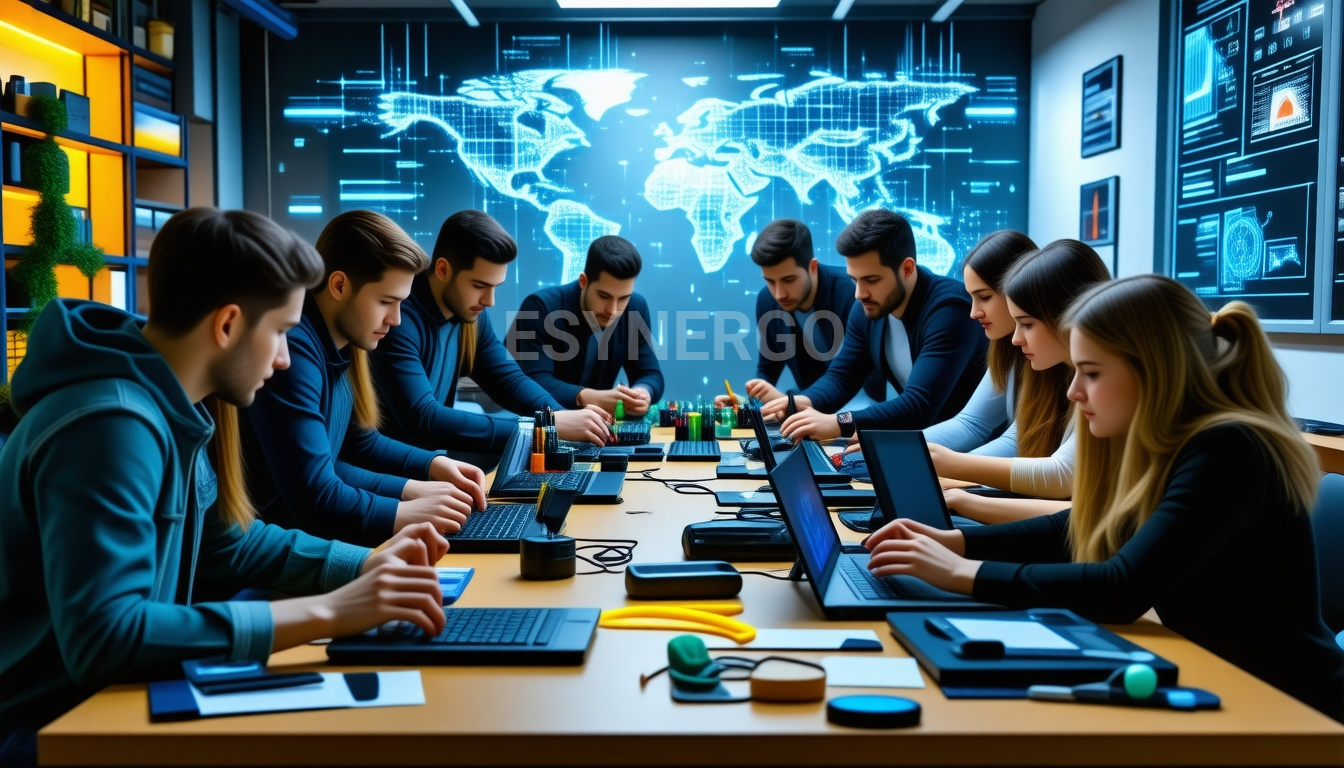
Estonia’s tech talent has significantly contributed to the American electronics industry, showcasing the benefits of international knowledge transfer. Many Estonian engineers and entrepreneurs have relocated to the United States, introducing novel ideas and methodologies that enhance American electronic innovations.
Educational and professional exchanges between Estonia and the United States further bolster this relationship. Programs promoting collaborative research and development projects, detailed further in the global R&D collaborations article, have widened the scope of technological advancements and electronic integration across borders.
Section 3: Challenges and Opportunities
Overcoming Obstacles
Despite its successes, Estonia faces challenges in maintaining its electronic influence in an ever-evolving tech marketplace. A primary obstacle includes the constant need to stay ahead in technological developments amidst global competition. Ensuring continued investment in R&D and maintaining a steady influx of skilled talent are essential for sustaining Estonia’s leadership in electronics.
| Challenge | Strategy |
|---|---|
| Global Competition | Participate in international tech consortiums |
| Talent Acquisition | Facilitate team expansions and collaborations internationally |
By engaging in global collaborations, Estonia is not only overcoming its limitations but also reinforcing its position as a future-forward tech hub.
Future Prospects and Emerging Trends
The future of Estonia’s electronic influence holds several promising growth areas, particularly in fields like cybersecurity and artificial intelligence. With an expanding portfolio of cutting-edge inventions, Estonia is poised to expand its global footprint. Furthermore, the emphasis on sustainable electronics and green technologies opens new avenues for innovation, aligning with global demand for environmentally-friendly solutions.
- Increasing focus on cybersecurity solutions
- Advancements in AI technologies
- Growing market for sustainable electronics
In the coming years, Estonia will likely continue to evolve as a leader in electronic component development, reinforced by its strong foundation of digital infrastructure and culture of innovation. Armenia’s similar digital transformation journey provides a comparative study into these trends Armenia’s digital rise.
Conclusion
Estonia’s global influence in electronics marks it as an exceptional player in navigating and shaping industry trends. The nation’s significant contributions to both European and American electronics illustrate the power of strategic government policies and robust transatlantic collaborations. As Estonia continues to innovate, it sets the stage for advancing electronic components, enhancing global logistics, and optimizing supply chains. The path ahead promises new opportunities and challenges, yet Estonia remains steadfast in its mission to uplift and redefine the scope of global electronics.
References and Further Reading
For deeper insights into Estonia’s electronic influence, readers can refer to key studies and articles outlining Estonia’s technological journey National Geographic article on Estonia’s digital culture. Additionally, exploring more about Estonia’s electronic contributions can enhance understanding of future trends and industry changes.